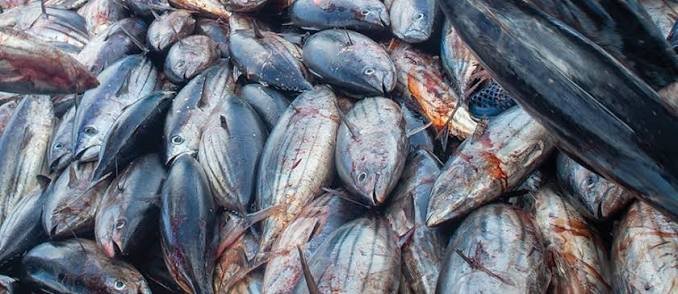
The Maldivian fisheries sector, long considered the lifeblood of the nation's economy and food supply alongside tourism, has faced severe catch declines. Official data from the Maldives Monetary Authority records sharp year-over-year drops in fish purchases by state processing companies, resulting in a parallel plunge in total national fish exports and related revenues. Local vessels returning to harbors report significantly reduced daily hauls of skipjack and yellowfin tuna, raising immediate economic concerns for island communities reliant on the trade.
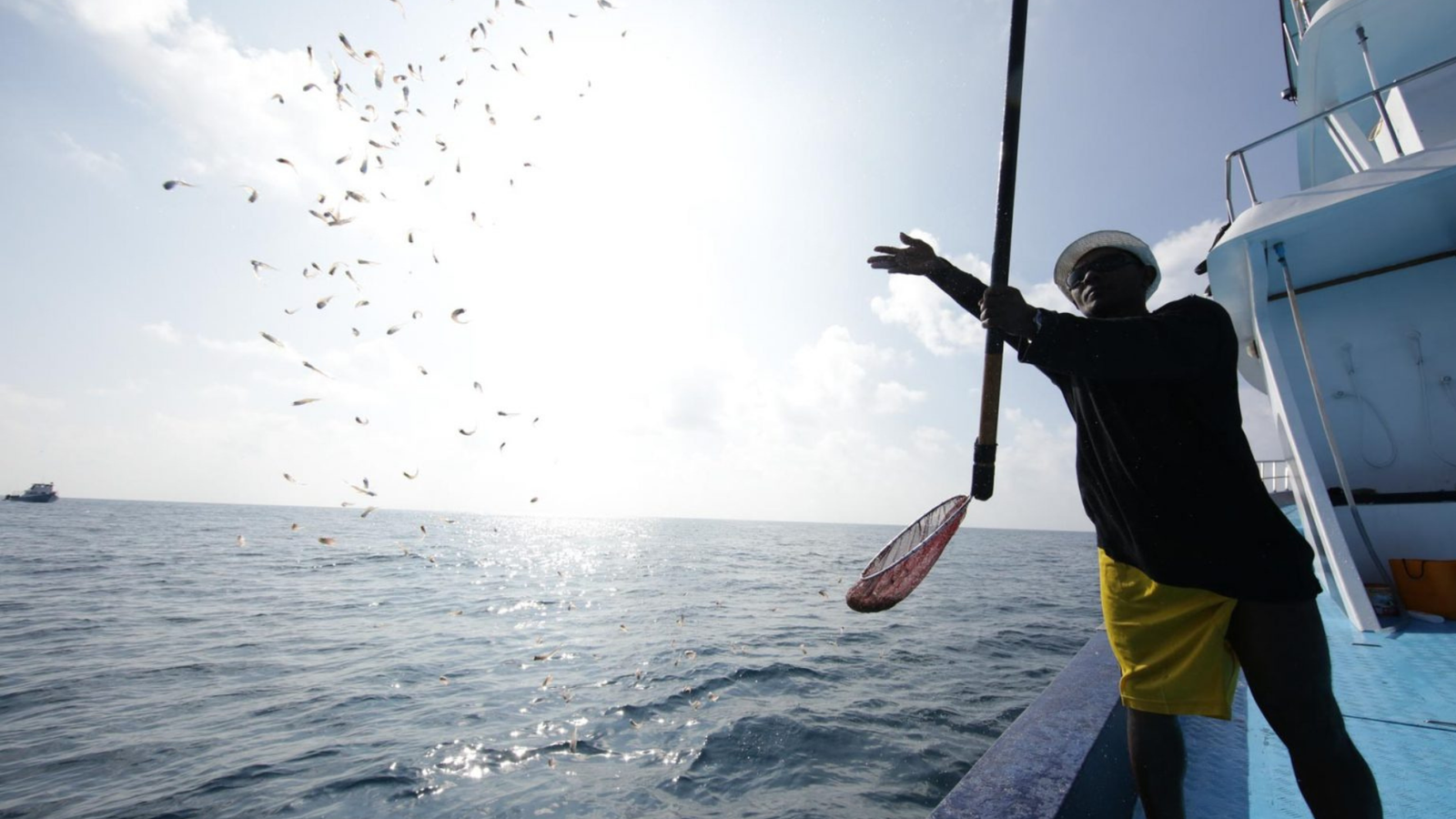
Marine scientists and environmental agencies point to shifting climatic conditions in the Indian Ocean as a primary driver of this shortage. Rising sea surface temperatures and El Niño weather cycles have altered traditional ocean currents, pushing migratory tuna schools deeper or away from the Maldives Exclusive Economic Zone into cooler waters. Concurrently, coral bleaching caused by elevated ocean temperatures damages coastal reef ecosystems, disrupting the life cycles of baitfish essential for the traditional pole-and-line tuna fishing method.
Industrial fishing operations across the broader Indian Ocean region further compound these localized ecological shifts. Extensive overfishing in international waters depletes regional tuna stocks before they reach local atolls, forcing fishers to burn more fuel while harvesting smaller catches. Addressing this challenge will require targeted support for local fleets and continued international advocacy for strict quota enforcement across the ocean.
Comments 0
No comments yet. Be the first to share your thoughts!